
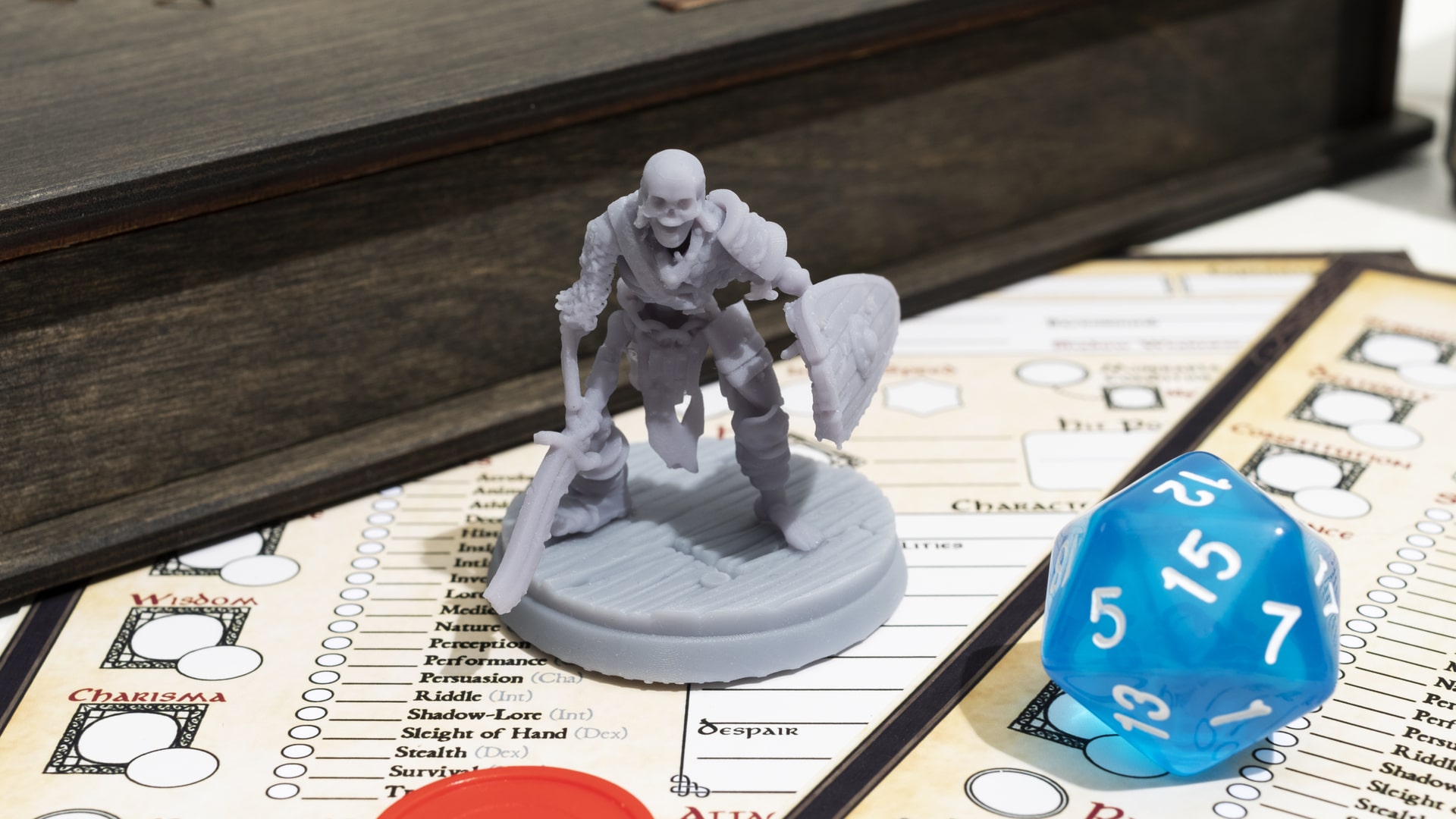
Game Art & Design: Complete Career & Learning Guide (2026)
2 December, 2025
We have the complete 2026 guide to Game Art Design. Learn how to become a Video Game Artist, understand essential skills, training options, and career paths in Video Game Art and Design.
Game Art and Design has quietly shaped the way modern interactive experiences feel.
Before a single line of code comes alive, an artist imagines the spaces players will walk through and the characters they will eventually remember.
It is this early creative work that sets the tone for the entire project.
The worldwide player base is projected at around 3.6 billion gamers by the end of 2025.
However, as the industry expands across PC, console, mobile, and even emerging VR platforms, studios now look for artists who can blend creativity with an understanding of how real-time engines behave.
For anyone hoping to enter the field as a Video Game Artist, it helps to first understand what the discipline truly encompasses and how to build a steady, long-term career in Video Game Art and Design.
What Game Art and Design Means Today
The discipline extends far beyond illustration or 3D modelling. It is the craft of shaping a player’s emotional and visual experience. Artists work closely with designers so that the visuals support narrative intent and gameplay decisions.
They also collaborate with technical teams to ensure the artwork performs smoothly in the engine.
Professionals in Game Art Design
- Develop the characters, worlds and aesthetics that define the game
- Translate design intentions into visual forms that guide players
- Balance creative ambition with technical feasibility
- Work in close partnership with technical artists to maintain performance
A Video Game Artist therefore carries both creative sensitivity and practical awareness.
Key Specialisations within Video Game Art and Design
The field offers several routes, each demanding a specific approach and temperament.
Concept Art
Concept artists explore possibilities before production begins. Their sketches set the style, the atmosphere and the structural foundation for characters, props and environments. Their work becomes the visual language others follow.
3D Modelling
Once the concept is approved, 3D artists convert ideas into production models. They sculpt, retopologise, unwrap UVs and prepare assets for texturing and animation. Clean technical execution matters as much as aesthetics.
Character Art
Character art blends anatomy, personality and visual storytelling. Artists sculpt heroes, villains, creatures and stylised characters while keeping rigging, deformation and animation needs in mind.
Environment Art
Environmental artists build the world. They design modular assets, create foliage and terrain, shape architectural pieces and set dress levels so the environment supports movement, exploration and narrative pacing.
Animation
Animators transform static models into living figures. They study weight, timing and behaviour. Their work determines how characters respond to inputs and how storytelling unfolds moment by moment.
Lighting and Look Development
Lighting artists influence emotion, clarity and mood. They determine where the eye travels first, what remains hidden and what atmosphere envelopes the player.
Each discipline carries its own techniques, yet all are interlinked. Game Art Design succeeds only when these departments move in harmony.
Skills Required for a Successful Career in Game Art Design
Studios look for grounded artistic ability supported by technical precision.
Artistic Foundation
- Strong drawing and sketching practice
- Understanding of anatomy, proportion and perspective
- Colour theory and mood development
- Awareness of composition, shape language and visual hierarchy
These fundamentals hold importance across every specialisation.
Technical Foundation
- Proficiency in tools such as Blender, Maya, ZBrush and Substance Painter
- Ability to texture using PBR workflows
- Understanding of how assets behave inside Unity or Unreal
- Capacity to optimise meshes and textures for performance
Modern production requires artists who appreciate both aesthetics and technical constraints.
Soft Skills
- Calm, structured communication with designers, programmers and technical artists
- Ability to iterate without losing direction
- A habit of analysing reference and learning from it
- Steady organisation when handling multiple deliverables
These qualities influence long term reliability in a studio environment.
Learning Pathways for Aspiring Video Game Artists
There is no single correct route into the field. Instead, candidates choose the path that aligns with their strengths and circumstances.
Degree Level Education
Universities and institutes offering Game Art Design programmes provide structured training, exposure to professional tools and opportunities to work on team projects. This approach suits learners who benefit from guided instruction.
Specialised Diplomas and Certificates
Focused programs on character art, environment art or digital sculpting help learners who already understand basics and wish to deepen one specific discipline.
Self Learning
A number of successful artists have built careers through disciplined self study. Their journey often involves online tutorials, reference based practice, community critiques and steady personal projects.
Game Development Courses with Art Modules
Comprehensive Game Development Courses now integrate Game Art and Design into their curriculum.
Learners gain both artistic and engine side skills, preparing them to become versatile contributors.
This approach benefits individuals who want to place themselves at the intersection of creativity and real time technology.
Building a Professional Portfolio in Game Art Design
The portfolio carries more weight than any certificate. It demonstrates style, craft, discipline and understanding of production standards.
A strong portfolio includes
- Completed characters with sculpting, retopology and material sheets
- Environments built with modular workflows and lighting studies
- Props with consistent style and PBR texturing
- Concept sketches that show exploration, silhouettes and colour roughs
- Engine screenshots or turntables that prove real time readiness
Clarity matters. Showing process and breakdowns reflects professionalism and helps recruiters see how the artist thinks.
Career Opportunities in Video Game Art and Design
Demand for skilled artists continues to expand across sectors.
- PC, console and mobile game studios
- VR and AR production
- Film and television using real time virtual production tools
- Simulation, training and educational applications
- Architectural and automotive visualisation
- Advertising, interactive experiences and digital content creation
Artists with both visual craft and engine literacy find wider opportunities across these domains.
Bottom Line
The journey requires patience, consistent practice and an informed learning plan. Aspiring professionals should
- Build strong fundamentals in drawing and design
- Practise 3D modelling, sculpting and texturing with intent
- Study engine behaviour to understand real time constraints
- Create complete projects instead of isolated exercises
- Welcome critique and use it to refine decision making
- Commit to building a distinctive portfolio with clear purpose
By following these steps, candidates prepare themselves not only for entry level roles but for long term growth within Game Art Design.
If you want to build a career in Game Art Design, start where industry artists are trained. Join MAGES Institute and learn the craft the way studios expect it to be learned, through guided practice, critique-driven sessions and engine-ready projects.
Frequently Asked Question
- What does Game Art Design include?
Game Art Design covers the creation of characters, environments, props, visual styles and animation elements that define how a game looks and feels. It blends drawing fundamentals, 3D modelling, texturing and engine-ready asset development.
- How is a Video Game Artist different from a traditional digital artist?
A Video Game Artist works within a real-time engine and must understand performance limits, optimisation and the needs of gameplay. Their work is designed not only for beauty but also for function within interactive systems.
- Do I need a degree to work in Video Game Art and Design?
A degree can help, but it is not mandatory. Many artists enter the industry through diplomas, specialised training or self-directed learning. Studios prioritise strong portfolios over formal credentials.
- Which tools should I learn first for Game Art Design?
Beginners usually start with Blender or Maya for 3D modelling, ZBrush for sculpting and Substance Painter for texturing. Learning a game engine like Unity or Unreal is essential because assets must function in real time.
- How long does it take to become a job-ready Video Game Artist?
Most learners take 18 to 30 months to build solid fundamentals, understand real-time pipelines, and create a professional portfolio. Those with art or design backgrounds may progress faster.
- What should my Game Art Design portfolio include?
Your portfolio should present complete projects, such as characters, stylised props, or small environments, along with breakdowns of your sculpting, modelling, UV, and texturing workflows. Engine screenshots add credibility.
- Are job opportunities strong for Video Game Art and Design roles in 2026?
Yes, demand remains consistent across PC, console, mobile and VR. Additional opportunities exist in virtual production, simulation, architecture and interactive media, where game-ready assets are widely used.
- Can I switch to Game Art Design from another creative field?
Many professionals transition from graphic design, fine arts, architecture or animation. The key requirement is a strong portfolio that reflects an understanding of 3D fundamentals and real-time production workflows.
Related Posts
SPEAK TO AN ADVISOR
Need guidance or course recommendations? Let us help!
